

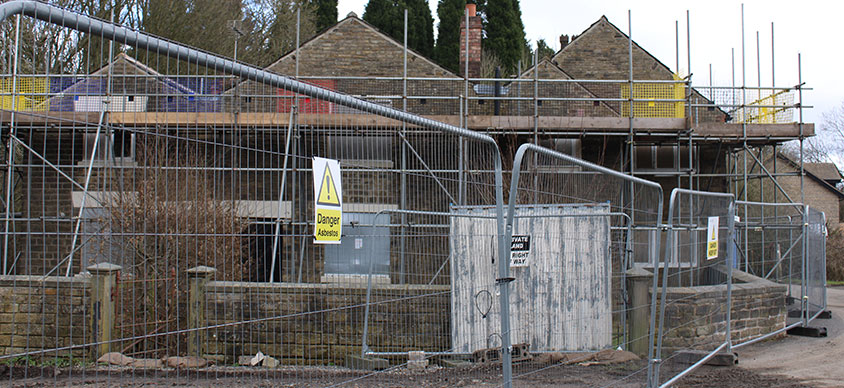
Asbestos in Homes: Common Areas Where It Can Be Found
Asbestos was widely used in British homes and buildings from the 1950s through the late 1990s due to its heat resistance, strength, and insulating properties. Although its use was banned in the UK in 1999, many older properties — especially those built before this date — may still contain asbestos-containing materials (ACMs). The danger with asbestos lies in the invisible fibres it releases when disturbed; these fibres can lead to serious health conditions, including mesothelioma and lung disease.
Understanding where asbestos may be found in your home is key to safe renovation, maintenance, and everyday living. In this guide, we explore the most common areas where asbestos can be found in homes and what you should do if you suspect its presence.
Why Asbestos Was Common in Building Materials
Asbestos was used in thousands of products because of its durability and resistance to heat, fire, and chemicals. Key sectors that utilised asbestos included construction, automotive, and manufacturing. In homes, asbestos was especially prevalent in insulation, roofing materials, textured coatings, and fireproofing products — often hidden from view.
Even though asbestos is safe when left undisturbed, the risk increases when materials are damaged, worked on, or deteriorating. That’s where professional asbestos surveys and testing become critical, particularly before renovation or demolition work.
1. Roofs and Guttering
One of the most common areas where asbestos was used is in roofing materials. Asbestos cement roof sheets and ridge tiles were popular because they were lightweight and durable. Similarly, older guttering and downpipes were sometimes made from asbestos-cement.
These materials can remain in excellent condition for many years. However, if you notice cracking, moss growth, or damage from extreme weather, harmful fibres could be released. Roof work should always be approached with caution and ideally inspected by an asbestos professional.
2. Exterior Walls and Cladding
Asbestos was also widely used in external wall panels and cladding. In some post-war homes, you may find asbestos-cement sheets on walls or in garage buildings. These flat sheets often resemble fibre cement but contain asbestos fibres embedded in the material.
Because they’re external and weathered, these materials may seem harmless — but cutting, drilling, or breaking them can release dangerous fibres. Always treat any suspicious material as potentially hazardous until professionally tested.
3. Insulation and Pipework
Inside homes, asbestos was commonly used in insulation materials — especially around boilers, pipework, and hot water tanks. Loose-fill insulation, insulating boards, and pipe lagging may all contain asbestos.
Pipe insulation might be hidden behind walls or in ceiling spaces, making it hard to detect without a professional survey. Removal or maintenance around these areas should never be attempted without expert advice and protective measures.
4. Textured Coatings and Artex
Many homes built or refurbished in the 1970s and 1980s feature textured wall or ceiling finishes like Artex. Some Artex products manufactured before the 1980s contained asbestos, particularly those with coarse texture.
If you’re planning to remove or sand textured coatings, there’s a real risk of releasing asbestos fibres into the air. Always seek professional testing and removal if there’s any doubt.
5. Floor Tiles and Adhesives
Asbestos was used in floor tiles and adhesives in a wide variety of homes. Vinyl floor tiles, backing boards, and adhesive layers may contain asbestos fibres, especially in properties built before the 1980s.
Walking on intact floor tiles poses little risk — but cutting, grinding, or lifting them can release fibres. Professional testing will confirm whether these materials contain asbestos and how to manage them safely.
6. Boiler and Heating Rooms
Boiler houses, heating ducts, and associated maintenance spaces often contain asbestos products. These areas may include:
- Boiler insulation
- Heat-resistant boards
- Fire doors with asbestos cores
Because these areas may become hot or humid, asbestos insulation materials were often chosen to protect against heat damage. If you have an older heating system or utility room, it’s advisable to get an asbestos survey before carrying out repairs.
7. Garage Structures and Outbuildings
Outbuildings, sheds, and garages constructed in previous decades often used asbestos cement roofing and wall panels. These structures are especially common in back gardens in the UK.
Although garages may be separate from the main living area, disturbing ACMs during maintenance or demolition can still pose a health risk. Professional testing is essential before any work begins.
When Should You Assume Asbestos Might Be Present?
If your home was built before the year 2000, there’s a higher probability that asbestos materials were used. Common signs include:
- Cracked roof sheets or guttering
- Textured ceilings that match Artex patterns
- Older boiler insulation or fireproofing boards
- External wall panels on garages or extensions
- Floor tiles that appear hard and brittle
However, the presence of asbestos can’t be confirmed by appearance alone. Only an accredited asbestos survey and laboratory testing can provide certainty.
Why You Shouldn’t Attempt DIY Asbestos Removal
Many homeowners underestimate the risks associated with asbestos, especially when materials look intact or old. However, disturbing asbestos can release dangerous fibres that remain airborne and invisible to the naked eye. Once inhaled, these fibres can lodge in the lungs and increase the risk of serious diseases decades later.
DIY removal or disturbance can also create liability issues and may breach UK asbestos regulations. It’s far safer — and legally sound — to engage an accredited asbestos surveyor and, if necessary, a licensed removal contractor.
How 247 Asbestos Services Can Help
At 247 Asbestos Services, we specialise in asbestos surveys and testing for homes and residential properties across London. Our accredited surveyors follow strict safety protocols to identify, sample, and analyse suspect materials. We provide:
- Management surveys for occupied homes
- Refurbishment and demolition surveys before renovation
- UKAS-accredited laboratory testing
- Clear, compliant reporting
Our team will guide you through every step, explain findings in plain English, and help you understand how to manage or remove asbestos safely if it’s present.
Getting an Asbestos Survey for Your Home
If you’re planning refurbishments, have an older property, or simply want peace of mind, an asbestos survey is a smart investment in safety. Contact 247 Asbestos Services today for a professional assessment. Our experts will arrange a site visit, carry out the necessary inspections, and deliver a detailed report you can trust.
Don’t take chances with invisible fibres that could affect your health — act now and ensure your home is safe for you and your family.